

Jazyk
Jazyk
Rozdiel hrúbky steny len 0,05 mm v jadre formy predlisku stačí na spustenie porúch naťahovania, keď predforma zasiahne vyfukovaciu formu. Na hotovej fľaši sa medzera zväčšuje do viditeľných tenkých miest, nerovnomerná sila okolo ramena a nekonzistentný výkon pri páde – druh defektu, ktorý sa objaví v sklade zákazníka, nie na vašej výrobnej ploche.
Väčšina vysvetlení považuje problémy s hrúbkou steny za zoznam: zlá pleseň, zlé vykurovanie, zlý pomer roztiahnutia. Tomuto rámovaniu uniká niečo dôležité. Rozdiel v hrúbke steny je zriedkavo spôsobený jednou poruchou. Je to chyba, ktorá začína v malej miere vo forme, prežije vstrekovanie nezistené a zosilní - niekedy dramaticky - počas opätovného zahrievania a vyfukovania. Chápať to ako reťaz, nie ako kontrolný zoznam, je to, čo vám skutočne pomáha nájsť, kde zasiahnuť.
Reťaz začína geometriou. Jadro formy definuje vnútorný profil predlisku a jeho rozmerová presnosť nastavuje strop pre všetko, čo je po prúde. Jadro, ktoré je vzdialené o zlomok milimetra, vytvára medzeru v dutine, ktorá nie je symetrická – a asymetrická medzera znamená, že tavenina sa nevypĺňa rovnomerne, bez ohľadu na to, ako dobre je vyladený zvyšok procesu.
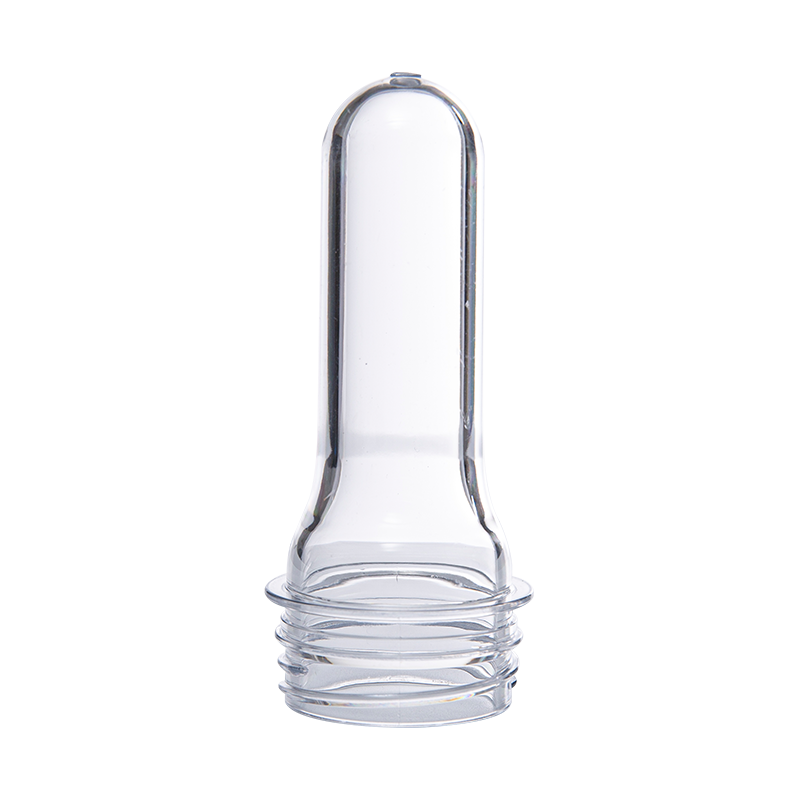
Poloha a veľkosť brány to znásobujú. Brána umiestnená mimo stredu alebo nesprávne dimenzovaná pre objem dutiny mení dráhu toku taveniny pri plnení formy. Tavenina, ktorá musí na jednej strane prejsť ďalej, sa pred dosiahnutím vzdialenej steny mierne ochladí, pričom táto časť zostane tenšia ako strana najbližšie k bráne. ako hrúbka steny a geometria hrdla ovplyvňujú 30 mm predlisky počas vyfukovania popisuje, ako sa to konkrétne prejavuje v toleranciách povrchovej úpravy krku, ktoré sú dodržané prísnejšie normy ako stena tela.
Keď geometria nastaví stupeň, tlak a chladenie rozhodnú o tom, ako sa chyba prejaví. Nerovnomerné rozloženie vstrekovacieho tlaku naprieč dutinou znamená, že niektoré oblasti sa úplne naplnia, zatiaľ čo iné sa naplnia, pričom zostávajú hrúbkové medzery, ktoré sa fyzicky zapečú do dielu skôr, ako vôbec vychladne.
Chladenie komplikuje problém iným spôsobom. Ak chladiace kanály okolo formy nie sú vyvážené, rôzne časti predlisku tuhnú rôznymi rýchlosťami. Časť, ktorá chladne rýchlejšie, sa menej zmršťuje; časť, ktorá chladne pomalšie, sa viac zmršťuje, ťahá materiál a stenčuje stenu, keď sa zmršťuje. Variabilná regulácia teploty formy – krátke zvýšenie teploty počas plnenia, aby sa znížil odpor taveniny, a jej rýchle zníženie počas chladenia – zužuje túto medzeru, ale iba v prípade, že samotný chladiaci okruh je na začiatku navrhnutý symetricky. Nesprávne zarovnané chladiace vedenie nevytvára len horúce miesto; obnovuje rovnakú asymetriu, akú zaviedla poloha brány, z iného zdroja. bežné chyby vstrekovania a ako sa zvyčajne riešia rozoberá, ako chyby tlaku a chladenia interagujú vo viacerých typoch defektov, než je samotná hrúbka steny.
Toto je časť reťazca, ktorá sa najčastejšie preskakuje. Predlisok môže prejsť vizuálnou kontrolou, môže sedieť v prijateľnej tolerancii hmotnosti a stále má odchýlku hrúbky steny príliš malú na to, aby ju zachytil. Vyzerá to ako dobrá časť. Nie je to opravený diel – odchýlka od formy sa s ním jednoducho presunula po prúde.
To je dôležité, pretože ďalšia fáza výroby, vyfukovanie so zahriatím, nezaobchádza s každým bodom na predlisku rovnako. Ohrieva a napína stenu na základe hrúbky, ktorá tam už je. Predlisok, ktorý je o 3 % tenší na jednej strane, nezostane o 3 % tenší pri vyfukovaní – má tendenciu sa na tej tenšej strane ľahšie rozťahovať, čo ho ešte viac stiahne. Chyba nezostáva konštantná, keď sa pohybuje reťazou. Zlučuje sa.
O tom, či sa okrajový predlisok v tejto fáze zmení na viditeľne chybnú fľašu, zvyčajne rozhodujú tri veci. Po prvé, rovnomernosť ohrevu: ak sú infračervené lampy v ohrievacej peci nerovnomerne umiestnené, alebo sa predlisok pri prechode neotáča rovnomerne, jedna strana dosiahne poddajnejšiu teplotu ako druhá ešte pred začiatkom naťahovania. Po druhé, zarovnanie: napínacia tyč musí byť presne vycentrovaná k vlastnej stredovej línii predlisku. Priemyselné údaje o tomto špecifickom bode zlyhania sú konzistentné – nesúlad medzi napínacou tyčou a stredom predlisku sa uvádza ako jediná najčastejšia príčina kolísania hrúbky steny v štádiu vyfukovania, pred problémami s ohrevom alebo tlakom.
Po tretie, pomer roztiahnutia. Príliš nízky pomer nafúknutia nedáva materiálu dostatok príležitostí na rovnomerné prerozdelenie, takže akákoľvek odchýlka hrúbky, ktorá sa objavila, zostáva proporcionálne podobná. V kombinácii tieto tri faktory znamenajú, že predlisok nesúci aj malú chybu proti prúdu má veľmi malý priestor na korekciu, keď sa dostane do pece – fáza vyfukovania buď kompenzuje chybu, alebo sa na nej zdvojnásobí.
PET má skutočne užitočnú vlastnosť, ktorá tu pracuje v jeho prospech. Keď sa jedna časť predlisku začne naťahovať, toto naťahovanie vyvoláva deformačné spevnenie materiálu, čo sťažuje jeho ďalšie rozťahovanie. Tento odpor núti chladnejšie, menej natiahnuté časti, aby to dohnali, a tam a späť medzi nimi môže sama o sebe vyrovnať hrúbku steny fľaše. Za ideálnych podmienok, dokumentovaná procesná analýza ťahovo-vyfukovania ukazuje, že rozdiely v hrúbke obvodovej steny môžu byť len 0,001 palca.
S týmto číslom sa oplatí sedieť, pretože väčšina produkčných fliaš naň výrazne zaostáva. Samonivelácia je korekčný mechanizmus, nie záruka – má priestor na prácu iba vtedy, ak je chyba proti prúdu dostatočne malá na to, aby sa deformačné vytvrdzovanie vyrovnalo pred úplným nafúknutím dielu. Predlisok nesúci dostatočne veľkú odchýlku od plesní alebo problémov s chladením úplne prekoná toto samoopravné správanie a odchýlka sa prejaví v hotovej fľaši bez ohľadu na to, ako dobre je vyfukovač vyladený.
Pretože sa chyba pohybuje a mení tvar, keď prechádza reťazou, nestačí ju zachytiť len v jednej fáze. Ultrazvukové meradlá hrúbky steny a tepelné zobrazovanie vo fáze predformy zachytávajú geometrické odchýlky a odchýlky súvisiace s chladením predtým, ako sa dostanú do pece. Kontroly rotácie a zarovnania vo vyfukovači zachytia zosilňovaciu fázu skôr, ako sa stane defektom hotovej fľaše. Ani jedna kontrola sama osebe nepovie celý príbeh – spoločne sledujú rovnakú chybu od jej pôvodu až po miesto, kde sa stáva viditeľnou.
Pre tímy, ktoré získavajú predlisky namiesto toho, aby ich formovali vo vlastnej réžii, táto logika reťazca mení to, čo požadovať od dodávateľa. ako skontrolovať kvalitu PET predlisku pomocou praktických kontrolných metód a Testovanie kontroly kvality a údaje analýzy defektov pre PET predlisky načrtnite konkrétne body kontroly, ktoré sa oplatí vyžiadať skôr, než sa šarža dostane do výroby, a nie po tom, čo fľaša už zlyhala na poličke.
Copyright © Foshan Honsen Plastic Industry Co., Ltd. All Rights Reserved.